
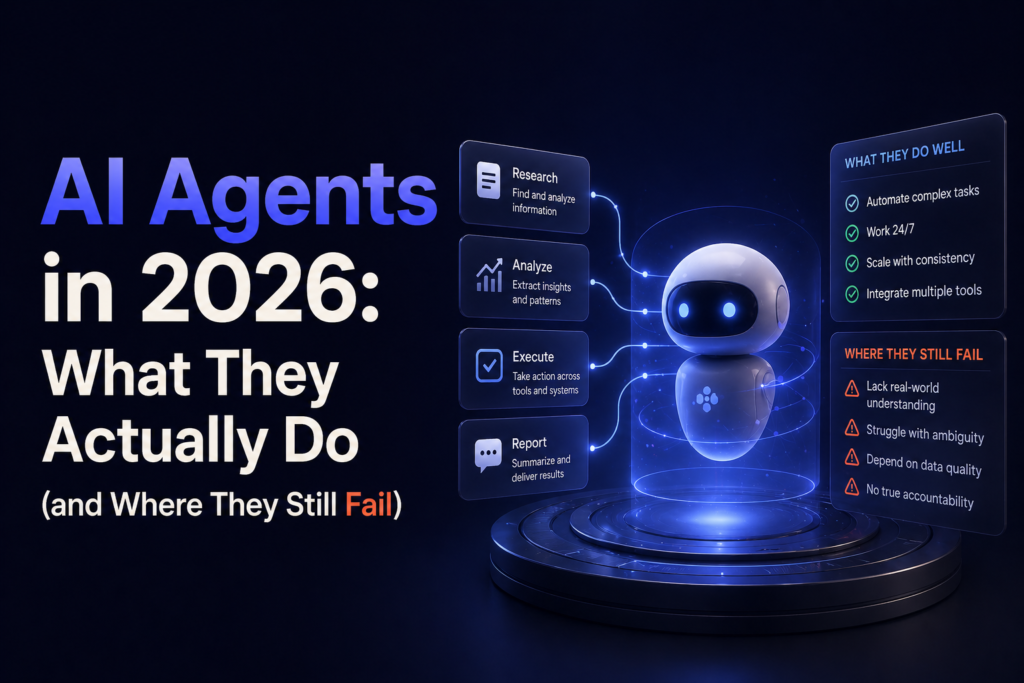
I’ve been watching the “AI agents will change everything” narrative build for two years. In 2024, it was mostly hype. In 2025, it started becoming real for a small number
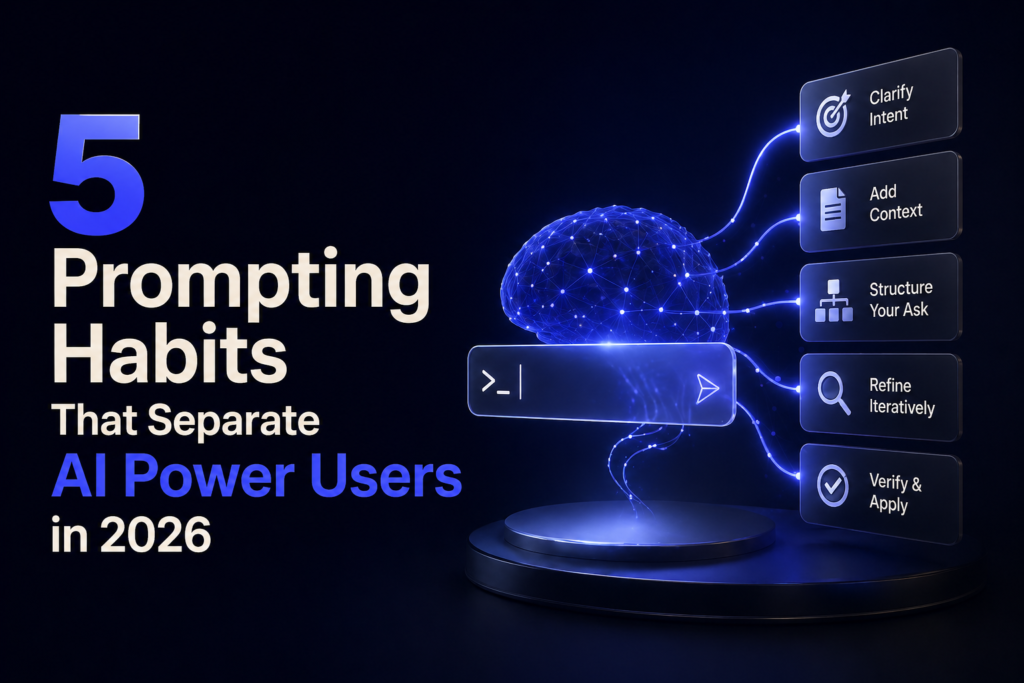
I’ve watched people use AI for about three years now. The ones getting 10x the value out of it aren’t using fancier models or secret prompts. They’ve built different habits.
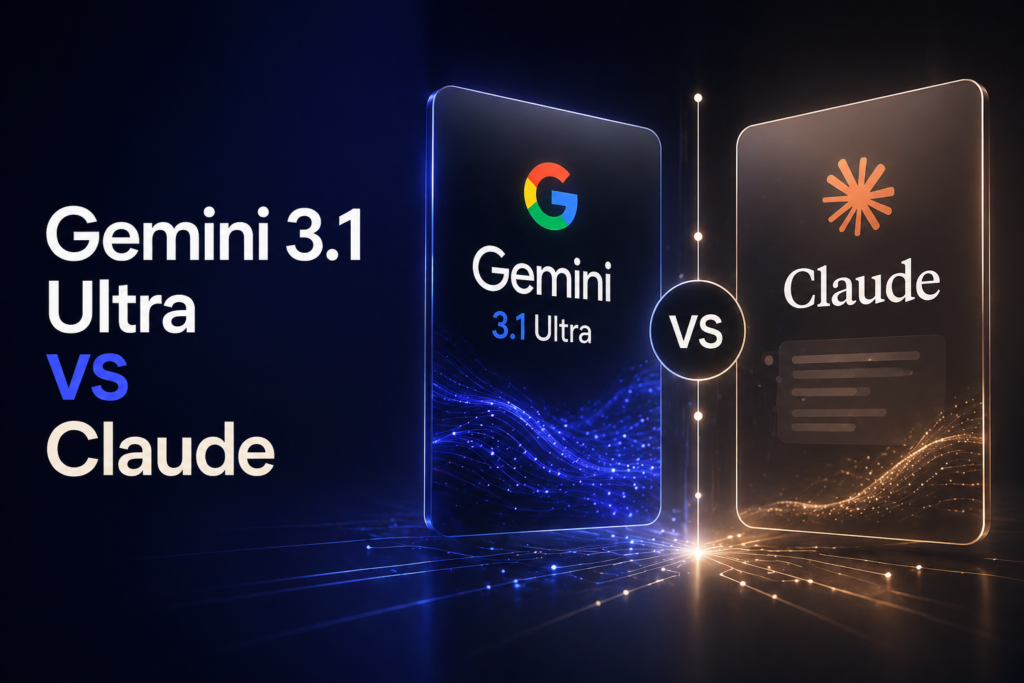
Google just shipped Gemini 3.1 Ultra, and the spec sheet is genuinely impressive: a 2-million token context window that works natively across text, image, audio, and video no transcription intermediaries,
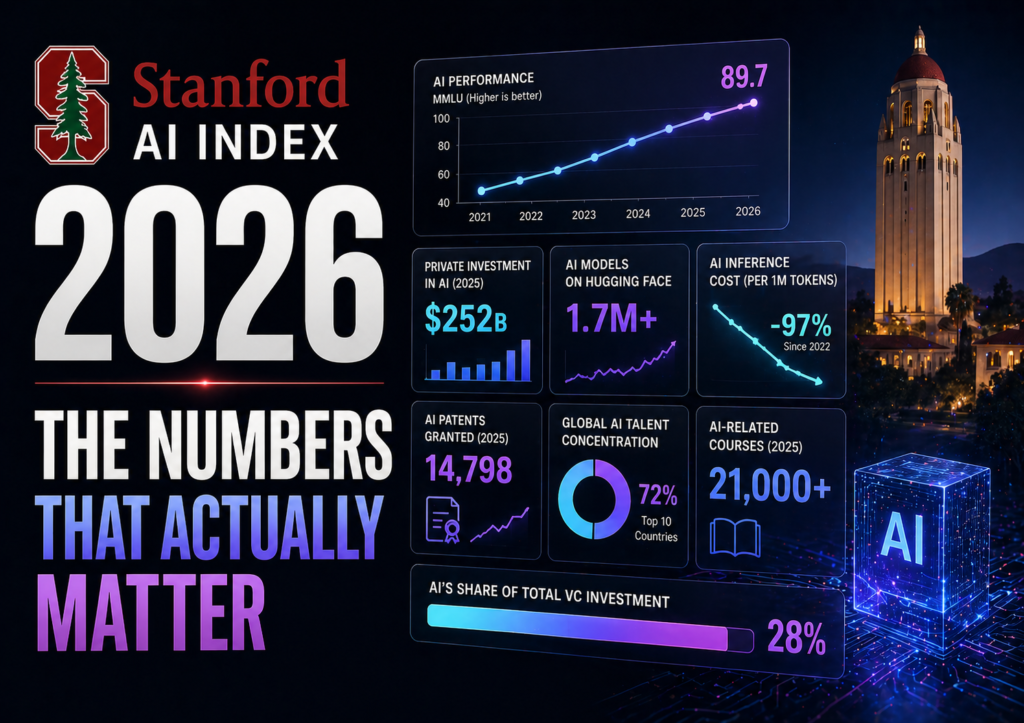
Stanford’s AI Index drops every April and it’s the one report I actually read rather than skim the headline summary and move on. It’s independently produced, densely sourced, and doesn’t
Everyone learned prompt engineering. Add a role. Be specific. Say “think step by step.” And for a while, that was enough to get noticeably better results than most people around
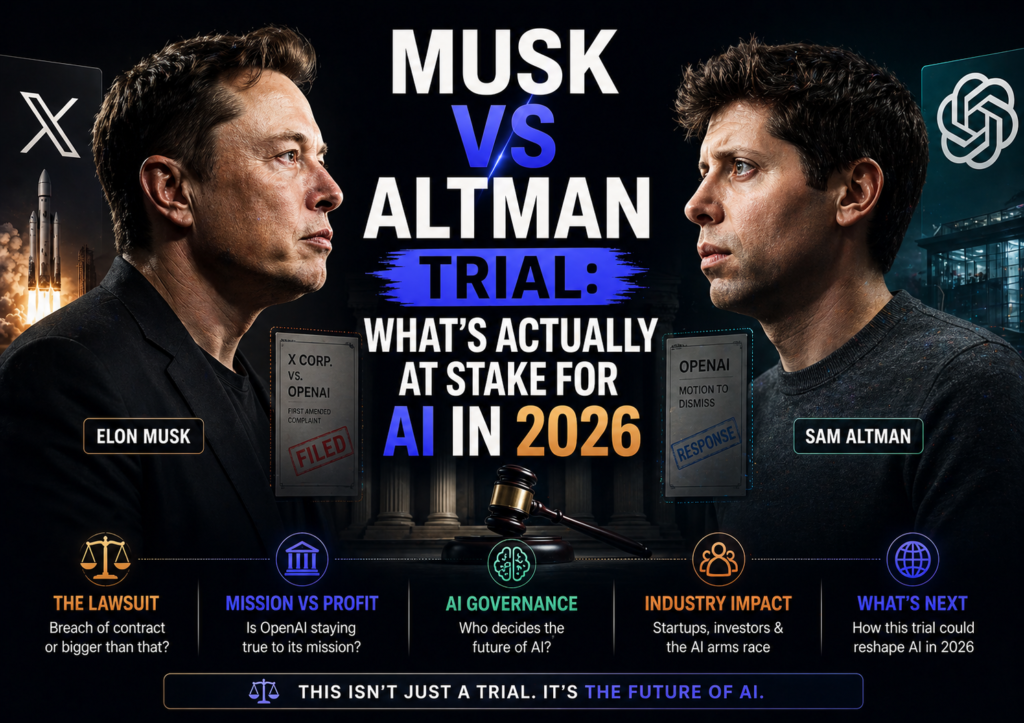
I’ve covered a lot of AI drama over the years. Acquisitions, model launches, jailbreaks, benchmark wars. But nothing has the sheer storytelling density of what kicked off in an Oakland
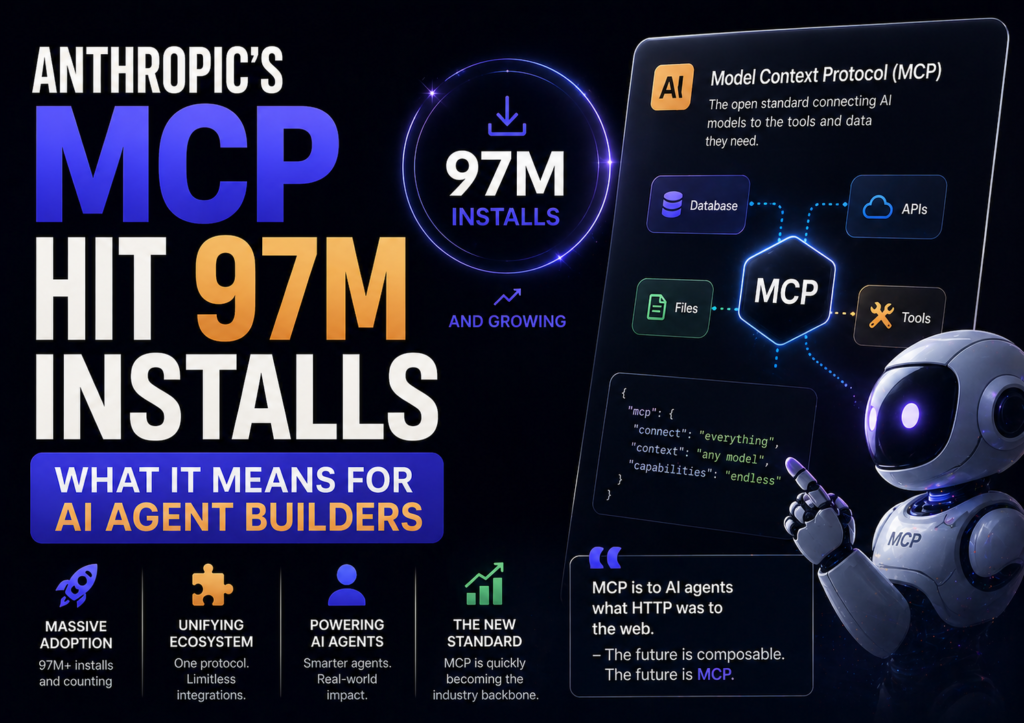
When a protocol crosses 97 million installs, something has shifted. Not “gaining traction” shifted. Infrastructure shifted. The kind where you stop asking “should I use this?” and start asking “can
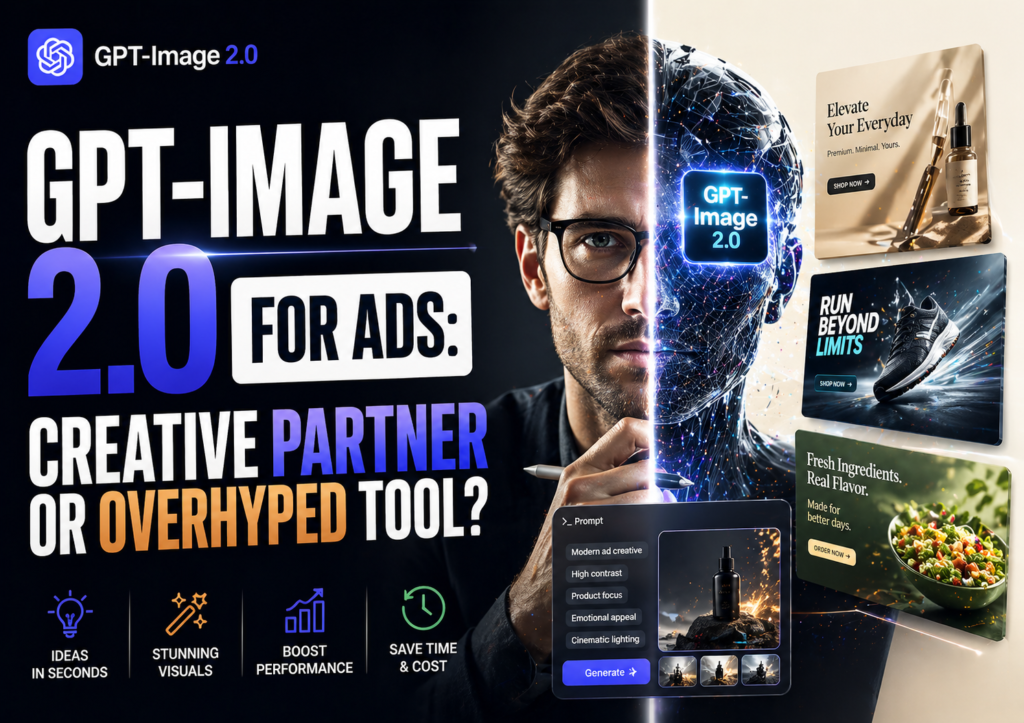
I’ve seen a lot of AI image tools get called “game changers.” Most aren’t. But the recent Leonardo.Ai test of GPT-Image 2.0 on actual advertising briefs caught my attention not
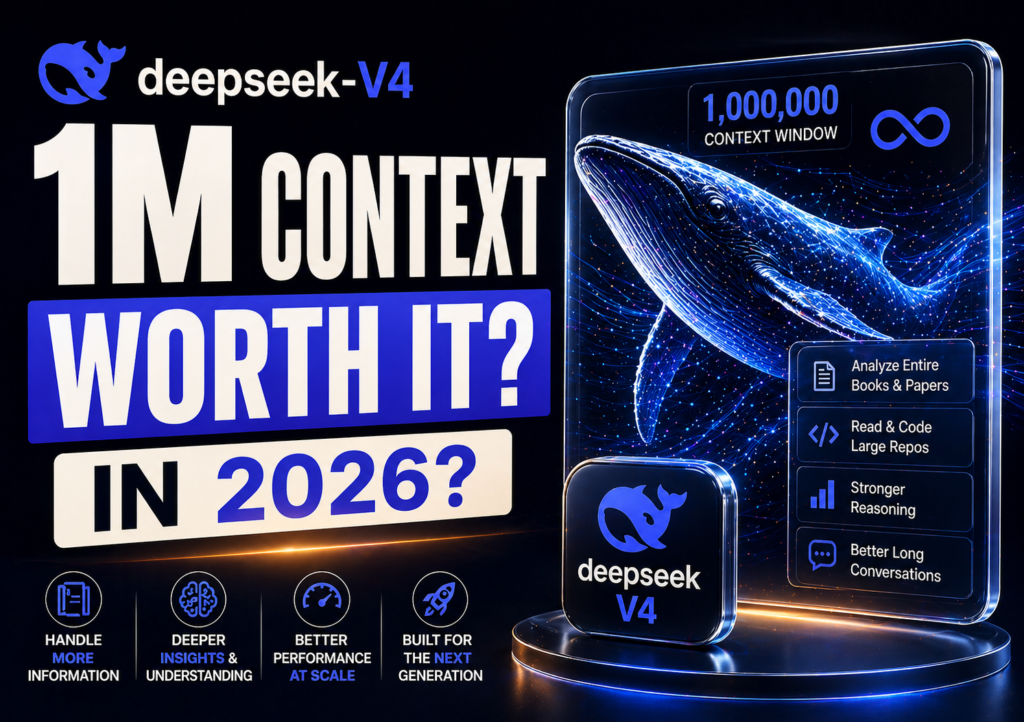
DeepSeek dropped V4 last week and my feed immediately split into two camps: people calling it a GPT-4o killer and people saying it’s just a benchmark stunt. After spending a

Introduction Making money online no longer requires a big team, technical skills, or a warehouse full of products. Today, a single person can build a complete online business using AI